
China Top Metal Cable Gland Manufacturers and Suppliers

Time:2026-10-21 Author:Aria
0%

China has become a major sourcing hub for Metal Cable Gland products, serving power, automation, construction, marine, and renewable-energy projects. However, supplier selection should involve more than comparing prices. A polished catalogue cannot replace verified testing, stable production, and clear technical communication.

As cable-entry specialist Markus Huber observes, “A cable gland is not merely an entry point; it is part of the enclosure’s protection system.” This practical view matters on the factory floor. A gland must grip the cable without crushing its jacket. Its seal should remain firm beside dust, rain, vibration, and temperature changes. Small details matter, including thread accuracy, locking torque, O-ring quality, and plating consistency.

This guide examines China’s leading Metal Cable Gland manufacturers and suppliers. It considers stainless steel, brass, nickel-plated brass, and aluminium options. It also reviews metric, PG, and NPT threads, along with IP ratings and relevant IEC 62444 requirements. Some manufacturers provide strong customization. Others offer fast delivery but limited documentation. That difference can affect installation safety and long-term maintenance.

Factory audits, sample testing, material certificates, and production records deserve attention. So does after-sales support. A supplier may claim excellent sealing, yet provide no repeatable test evidence. That should invite questions. Even experienced buyers can overlook cable diameter tolerances or hazardous-area requirements. This overview aims to make those risks visible, while helping engineers and purchasing teams compare reliable Chinese suppliers with greater confidence.
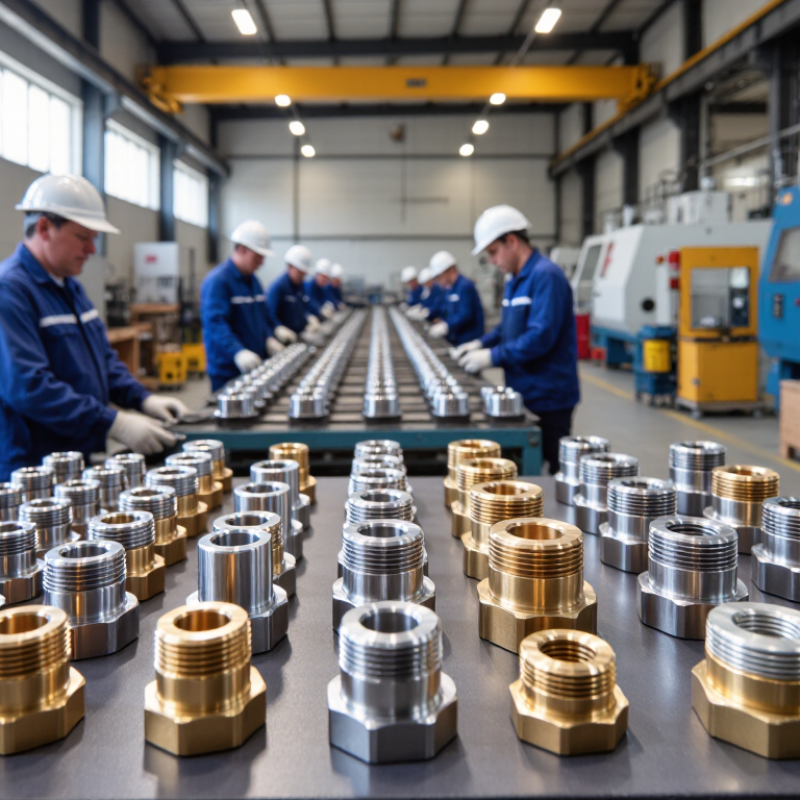
China Top Metal Cable Gland Manufacturers and Suppliers

What Are Metal Cable Glands and Why Are They Important?

Metal cable glands are mechanical fittings that secure cables where they enter control panels, junction boxes, and industrial equipment. They provide strain relief, environmental sealing, and, when correctly selected, electrical continuity for shielded cables. Common materials include nickel-plated brass, stainless steel, and aluminum. Each suits different conditions, from factory floors to corrosive outdoor installations.

Their importance becomes clearer under harsh operating conditions. A properly compressed seal helps limit dust and moisture entry, while the clamping system prevents cable movement at the enclosure wall. IEC 62444 defines cable gland performance and testing requirements, including mechanical retention and sealing behavior. MarketsandMarkets estimates that the global cable glands market could grow from about USD 2.4 billion in 2023 to USD 3.5 billion by 2028. Demand is linked to industrial automation, energy infrastructure, and expanding equipment protection needs.

Installation still decides much of the result. Check thread type, cable diameter, enclosure thickness, and required IP rating before ordering. Tighten the gland to the maker’s specified torque. Too little compression permits leakage; too much can damage the cable jacket. The weak point is often installation, not the metal itself. A stainless gland may resist corrosion, yet perform poorly with the wrong gasket or thread. Product data should be verified against IEC 62444 testing records and independent inspection reports. This step is sometimes skipped, and that remains a practical industry weakness.

Key Types of Metal Cable Glands Made in China

China’s metal cable gland industry produces several practical types for industrial wiring. Brass cable glands are widely used because they combine strength, conductivity, and reasonable cost. Nickel-plated brass adds better surface protection in damp workshops and outdoor cabinets. Stainless steel glands suit coastal plants, food-processing areas, and chemical environments. They resist corrosion, but their higher price is not always justified.

Armored cable glands include armor-clamping parts, an inner seal, and an outer shroud. They secure heavy cables against pulling and vibration. Non-armored glands focus on sealing and strain relief for ordinary power or control cables. EMC cable glands use conductive contact features to connect cable shielding with the enclosure. This helps control electromagnetic interference around drives, sensors, and communication equipment.

Details matter more than appearance. Check the cable’s outer diameter, thread standard, sealing range, and required IP rating. Metric, PG, and NPT threads are not interchangeable. A gland that looks strong may still leak when its rubber seal is compressed incorrectly. In practical inspections, installers sometimes choose stainless steel without checking galvanic compatibility with the enclosure. That can create a weaker connection over time. Sealing materials also deserve attention: nitrile rubber works well in many general applications, while silicone handles wider temperature changes. Certification documents, dimensional drawings, and batch inspection records improve purchasing reliability. The best selection depends on the cable, enclosure, environment, and installation method. Not just the metal.

How China Manufactures and Tests Cable Glands

China’s cable gland manufacturers typically begin with brass, stainless steel, or engineering polymer. CNC machining controls thread accuracy and sealing surfaces. Automated lines reduce variation, but skilled operators still inspect burrs and damaged threads. The 2024 MarketsandMarkets cable management report estimates the global market will exceed USD 30 billion by 2029. This growth increases pressure for repeatable production and documented quality.

Testing follows recognized standards, including IEC 62444 for cable glands and IEC 60529 for enclosure protection. Inspectors measure thread dimensions, clamping force, and seal compression. IP testing uses dust chambers and controlled water jets. Pull-out tests apply measured axial force to confirm cable retention. Salt-spray testing, often based on ISO 9227, checks corrosion resistance. A factory may pass laboratory tests yet struggle with field installation. That gap deserves attention.

Tips: Request batch reports, material certificates, and IP test records. Check whether samples match mass-production parts. Ask for torque ranges and operating temperatures. Good suppliers also keep traceability from raw material to final inspection. Industry estimates differ because cable glands are often grouped with wider cable-management products. That limitation should be stated clearly. In practice, a polished sample proves little without process records, calibration dates, and repeat testing.

China Top Metal Cable Gland Manufacturers and Suppliers: How Cable Glands Are Tested

The chart presents selected water-ingress test conditions from IEC 60529 commonly used when verifying the protection rating of cable gland assemblies and enclosures. IPX4 uses approximately 10 L/min, IPX5 uses 12.5 L/min, and IPX6 uses 100 L/min. IPX7 is tested by temporary immersion at 1 metre for 30 minutes, while IPX8 conditions are agreed between the manufacturer and the user.

How to Evaluate China’s Top Cable Gland Manufacturers

China Top Metal Cable Gland Manufacturers and Suppliers

How to Evaluate China’s Top Cable Gland Manufacturers

China’s cable gland sector serves energy, automation, transport, and outdoor electrical projects. MarketsandMarkets estimates the global cable gland market could grow from approximately USD 2.4 billion in 2023 to USD 3.2 billion by 2028, near a 6% CAGR. This growth increases supplier choices, but it also makes evaluation harder. A low quotation is not proof of value.

During supplier audits, examine material certificates, production records, and test reports. Stainless steel, brass, and nickel-plated brass should have traceable grades. Check thread accuracy with calibrated gauges. Request tests for tensile strength, torque, corrosion resistance, and water ingress. IEC 62444 defines cable gland performance requirements, while IEC 60529 supports IP protection testing. Documentation matters. Do not guess.

Ask whether the factory controls sealing rings, locknuts, and assembly tolerances internally. Confirm whether samples match mass production. ISO 9001 certification can indicate process discipline, but it cannot replace product testing. Intertek’s global conformity research repeatedly shows that documented traceability and independent verification reduce product risks. Still, certificates may be outdated or limited to one product range. That is easy to miss. Review issue dates, laboratory details, and test samples carefully. A practical supplier should explain failures openly, provide corrective actions, and support inspection before shipment. Personally, I would score response speed and technical clarity alongside price, because unclear answers often become costly installation problems.

Applications and Industries Served by Chinese Suppliers

Chinese metal cable gland suppliers serve a wide range of industrial applications, from factory automation to renewable energy projects. Their products commonly protect cables entering control cabinets, motors, junction boxes, and outdoor equipment. Brass glands suit general machinery, while nickel-plated brass offers better surface resistance. Stainless steel versions perform well in coastal, chemical, and marine environments.

Conditions vary. Industrial automation requires secure sealing, vibration resistance, and reliable strain relief around sensors and actuators. Solar installations often need glands that tolerate ultraviolet exposure, rain, and daily temperature changes. Wind turbines demand strong mechanical retention because cables experience movement and vibration. Telecommunications, rail systems, construction equipment, and data centers also use metal glands to manage power, signal, and communication cables.

Experienced Chinese suppliers usually support material selection, thread matching, sealing tests, and sample approval before mass production. Buyers should check ingress protection results, thread accuracy, clamping range, and gasket performance under realistic conditions. Factory inspection and batch traceability add practical confidence. A low quotation can hide inconsistent machining or weak sealing components. That risk deserves attention.

Even careful buyers sometimes focus too heavily on unit price. Installation time, replacement difficulty, and environmental exposure can change the real cost. Suppliers serving demanding industries should provide clear drawings, inspection records, and responsive technical communication. Details matter. Product quality still depends on correct installation, compatible cable diameters, and regular field checks.

FAQS

What is a metal cable gland?

It secures a cable where it enters an enclosure or machine. It also provides strain relief and environmental sealing. Small fitting, important job.

Why are metal cable glands important?

They reduce cable movement, dust entry, and moisture penetration. Some designs also maintain electrical continuity for shielded cables. Poor installation can still defeat good materials.

Which materials are commonly used?

Common options include brass, nickel-plated brass, stainless steel, and aluminum. Stainless steel suits coastal or corrosive areas. Brass often fits general machinery. Material choice is not always obvious.

How should buyers choose a suitable gland?

Check the cable diameter, thread type, enclosure thickness, and required protection rating. Also review operating temperature and environmental exposure. A low price may hide weak sealing parts.

How are cable glands tested?

Testing can include thread measurements, pull-out force, seal compression, and water-jet exposure. Dust chambers examine protection against fine particles. Salt-spray tests help assess corrosion resistance. One test cannot predict every field condition.

What should buyers request from a supplier?

Request material certificates, batch reports, inspection records, and protection test results. Ask whether production samples match mass-produced parts. Calibration dates and traceability matter. A polished sample proves little.

Where are metal cable glands commonly used?

They appear in control cabinets, motors, junction boxes, solar equipment, and communication systems. Wind equipment needs strong retention during vibration. Outdoor installations face rain, ultraviolet exposure, and temperature swings.

Does correct installation affect performance?

Very much. Use the specified tightening torque and confirm cable compatibility. Too little compression may allow leakage. Too much force can damage the cable jacket. Installation is often the real weak point.

Conclusion

Metal Cable Gland manufacturers and suppliers in China offer a wide range of reliable cable management solutions for industrial and commercial applications. A Metal Cable Gland secures cables as they pass through equipment enclosures, helping provide strain relief, sealing, grounding, and protection against dust, moisture, vibration, and mechanical stress. Common types include brass, stainless steel, and aluminum glands, with options for armored or unarmored cables, different thread standards, and various sealing requirements.

Chinese manufacturers typically use precision machining, controlled material selection, surface treatment, and automated or semi-automated assembly to maintain consistent quality. Their products are commonly tested for dimensional accuracy, ingress protection, tensile strength, corrosion resistance, temperature performance, and electrical continuity. When evaluating suppliers, buyers should consider manufacturing capabilities, quality systems, customization support, production capacity, documentation, and communication efficiency. These suppliers serve industries such as power distribution, machinery, automation, renewable energy, transportation, telecommunications, marine equipment, and outdoor electrical installations.

Aria

Aria

Aria is a dedicated marketing professional with a deep passion for innovative strategies and a keen understanding of our company's product offerings. With a wealth of experience in the industry, Aria excels at crafting engaging content that highlights the unique features and benefits of our......