
Certified Hazardous Wiring Architecture
High-Integrity Explosion-Proof Cable Entry Solutions
Engineered to prevent volatile gas, dust, and vapor ignition across Zone 1, Zone 2, Zone 21, and Zone 22 hazardous zones with verified IP68 dual-stage ingress sealing.
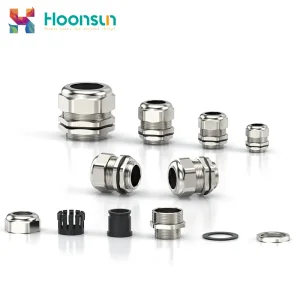
China Metal Cable Gland Strengthened Type - UL Certified, IP68, Durable Connections by China Suppliers & Factory Supplier, Factories
View Technical Specs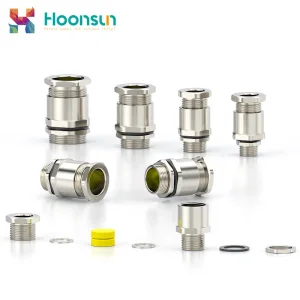
China EX4 Explosion-Proof Marine Cable Gland Rated IP68 and UL Listed Manufacturers, Factories
View Technical Specs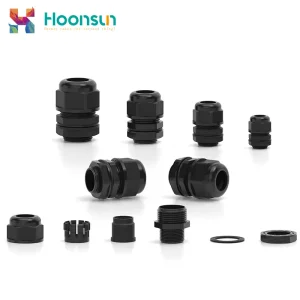
China Nylon Split Cable Gland IP68 - Durable Waterproof Protection | China Supplier & Factory Manufacturers, Suppliers
View Technical Specs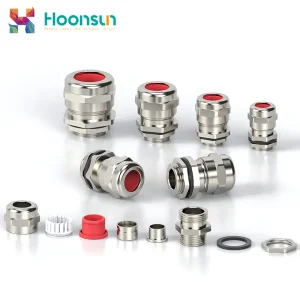
China Simple Armored Cable Gland from China Suppliers - Dual IP68 & UL Certified for Reliable Protection at Factory Prices Supplier, Suppliers
View Technical Specs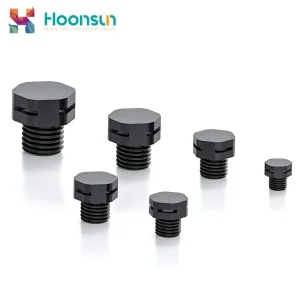
China China Nylon Vent Plug Factory - IP68 Waterproof UL Certified Suppliers for Harsh Environments Manufacturer, Suppliers
View Technical Specs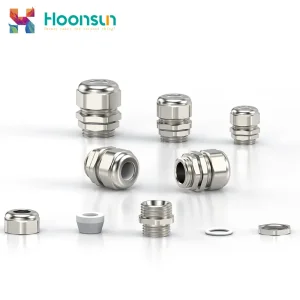
China High Temperature Resistance Metal Cable Gland - IP68 & UL Certified | China Suppliers and Factory Factories, Factory
View Technical Specs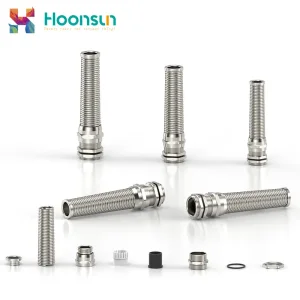
China Metal Anti-Bending Cable Gland IP68 & UL Certified | China Suppliers & Factory for Superior Cable Protection Manufacturers, Factory
View Technical Specs
Industry Strategic Landscape
Macro Commercial Status of Global Explosion-Proof Cable Entry Systems
A rigorous engineering analysis of hazardous area electrical infrastructure, international safety mandates, and China's transformation into a premier Ex equipment manufacturing powerhouse.
In modern industrial facilities handling flammable hydrocarbons, combustible dusts, cryogenic natural gases, and high-density hydrogen mixtures, mechanical integrity at the enclosure-cable junction is vital for comprehensive plant safety. An Ex cable gland serves as an engineered safety barrier rather than a passive fitting. Designed to withstand internal deflagrations, prevent ignition transmission to explosive external atmospheres, ground armor against short-circuit faults, and block aggressive marine moisture and corrosive chemicals, these components protect critical electrical infrastructure worldwide.
Historically, hazardous area infrastructure procurement was concentrated among legacy European and North American manufacturers. Over the past two decades, Chinese manufacturing has evolved beyond basic machining. Today, top Chinese manufacturers operate world-class precision CNC clusters, certified explosion-proof test bays, automated optical inspection lines, and metallurgical analysis laboratories. These facilities produce cable entry devices conforming to IECEx (International Electrotechnical Commission System for Certification to Standards Relating to Equipment for Use in Explosive Atmospheres), ATEX (Directive 2014/34/EU), and UL 2225 / UL 514B regulations.
Key Engineering Finding: According to global process safety incident databases, over 38% of electrical-related flash fires in industrial plants originate from improper cable entry sealing, stripped conduit threads, or using standard commercial fittings in rated hazardous locations. Selecting genuine, dual-certified Ex d / Ex e cable glands with verified clamping ranges is the foundation of industrial process safety.
100%
Helium Leak Tested
IP68/69K
Dual Ingress Rating
1200 hrs
Salt-Spray ASTM B117
-60~200°C
Extreme Thermal Range
Physics of Explosion Mitigation
Engineering Mechanics of Flameproof (Ex d) vs. Increased Safety (Ex e)
Understanding the thermomechanical dynamics, flamepath quenching, and dynamic elastomeric compression inside hazardous cable glands.
Flameproof Concept (Ex d / Ex db)
Ex d cable glands assume explosive gas can enter the enclosure and ignite. The gland body contains internal overpressure (frequently exceeding 20 to 30 bar during deflagration) while forcing hot escaping gases through micro-engineered flamepaths. This quenches thermal energy below the auto-ignition threshold of surrounding explosive atmospheres.
Increased Safety (Ex e / Ex eb)
Ex e topologies prevent internal arcing, sparks, and high surface temperatures. Engineering focus centers on robust mechanical retention, minimum creepage and clearance distances, high-integrity sealing elastomers, and thermal stabilization up to 130°C to ensure zero electrical flashovers during standard operations.
Barrier Compound Technology
For cables with extruded polymeric beddings prone to "cold-flow," or multi-core cables that allow gas migration through interstitial fillers, barrier-type Ex glands use two-part epoxy putty or liquid resin cartridges. This creates a solid, void-free gas-tight plug around every individual conductor, preventing dangerous gas transmission.
Comprehensive Mechanical & Sealing Comparison
The following engineering matrix outlines mechanical differences, sealing mechanisms, and international testing standards across common cable entry configurations used in modern processing facilities:
| Protection Concept | Standard Reference | Primary Gas Groups | Sealing Mechanism | Typical Industrial Use | Cert Status |
|---|---|---|---|---|---|
| Ex d (Flameproof) | IEC 60079-1 / EN 60079-1 | IIA, IIB, IIC (Hydrogen/Acetylene) | Threaded flamepath & displacement seal | Refinery motors, offshore turbine skids | ATEX / IECEx |
| Ex e (Increased Safety) | IEC 60079-7 / EN 60079-7 | IIA, IIB, IIC | Elastomeric compression grommet | Junction boxes, LED luminaires, cabinets | Dual Certified |
| Ex ta/tb (Dust Ignition) | IEC 60079-31 | IIIA, IIIB, IIIC (Conductive Dust) | High-compression mechanical IP66/IP68 | Grain silos, pharmaceutical mills, coal prep | Global UL/CE |
| Ex nR (Restricted Breathing) | IEC 60079-15 | IIA, IIB, IIC (Zone 2) | Low-leakage elastomeric diaphragm | Process analytical shelters, monitoring | IECEx Scheme |
| Barrier Resin Ex d | IEC 60079-1 / UL 2225 | IIC, Class I Div 1 | Epoxy / Polyurethane compound matrix | Unfilled cables, high-pressure gas transport | UL Marine / DNV |
Material Science & Tribology
Metallurgy and Sealing Polymer Formulations
A deep dive into alloy selection, electroplating depths, and fluorocarbon elastomer choices for aggressive operating environments.
CW614N Brass vs. Nickel Plating
CW614N (CuZn39Pb3) provides exceptional machinability and dimensional stability across complex thread pitches. By electrodepositing a continuous 10–15 μm nickel coating, electrochemical galvanic corrosion is eliminated in standard coastal and high-humidity applications, passing 1000-hour ASTM B117 salt spray tests.
Marine 316L Stainless Steel
For offshore rigs, chemical processing plants, and marine washdown environments, austenitic stainless steel AISI 316L (EN 1.4404) provides superior pitting resistance. With a Pitting Resistance Equivalent Number (PREN) ≥ 25, 316L prevents pitting, crevice corrosion, and stress corrosion cracking from exposure to aggressive chloride ions.
High-Performance Elastomers
Sealing performance depends on the elastomeric insert. Standard glands use ozone-resistant Chloroprene (Neoprene) from -40°C to +100°C. Extreme Arctic applications use fluorosilicone down to -60°C, while aggressive solvent and chemical applications use FKM (Viton) up to +200°C.
Chinese manufacturers maintain rigorous incoming material inspection protocols. Optical emission spectrometers (OES) verify raw brass billets and stainless steel bars before machining. High-precision 7-axis Swiss CNC lathes form threads and critical sealing surfaces within ±0.015 mm tolerances. This eliminates galling, preserves flamepath gap dimensions, and maintains consistent torque-to-compression ratios during installation.
Mission-Critical Deployments
Macro-Industry Application Blueprints
Real-world integration scenarios demonstrating how certified Ex cable glands prevent unplanned downtime, explosions, and electrical faults worldwide.
Offshore Oil & Gas (FPSO)
Floating Production Storage and Offloading vessels endure constant wave impact, thermal shocks, and saline spray. Ex4 marine glands seal power, motor lead, and dynamic instrumentation cables entering Ex d switchgear and variable-speed thruster drives.
Hydrogen & Clean Energy
Hydrogen gas (Group IIC) has an exceptionally low minimum ignition energy (≈ 0.017 mJ). Our barrier glands, certified for Gas Group IIC, block micro-porous gas travel between fuel cell test cells, electrolysis skids, and compressor rooms.
Battery Gigafactories
Modern lithium battery formation and mixing rooms contain volatile solvent fumes (NMP) and combustible active dusts. Our UL-listed, anti-vibration strengthened metal cable glands provide continuous EMC shielding and IP68 dust-tight enclosure ingress protection.
Robotics & Flexible Automation
Heavy machinery and robotic arms operating in combustible paint-spray or chemical processing areas require flexible conduits. Our brass and 316L hose cable glands provide dynamic strain relief, enduring millions of bending cycles without seal fatigue.
Addressing Cold Flow & Armor Clamping Challenges
Cable insulation often undergoes "cold flow" or permanent deformation under prolonged mechanical load, which can compromise the ingress seal of conventional compression glands over time. To solve this issue, our engineers developed a dual-cone clamping architecture. The inner elastomeric seal applies radial compression to the inner cable sheath without cutting or overstressing the polymer, while the precision clamping ring secures steel wire armor (SWA), steel tape armor (STA), or aluminum braid to deliver 100% pull-out protection and low-resistance fault ground bonding (< 0.1 Ω).
R&D Horizons
Engineering Roadmap & Next-Generation Advancements
How leading Chinese manufacturers integrate advanced sensing, composite materials, and automated verification into next-generation cable entry hardware.
IoT-Enabled Smart Glands
Future hazardous areas will rely on integrated predictive health monitoring. Our R&D pipeline includes fiber Bragg grating (FBG) and MEMS pressure-sensing modules directly embedded in the gland body to track tightening torque, seal degradation, and internal temperature in real time.
Engineered Composite Polymers
While metals dominate, advanced polyphthalamide (PPA) and polyetheretherketone (PEEK) matrix composites reinforced with carbon nanotubes are being engineered for lightweight applications. These materials offer full corrosion resistance, high tensile strength, and static dissipative properties (surface resistivity < 109 Ω) to prevent electrostatic charge accumulation.
Automated CMM Quality Assurance
Manufacturing lines feature integrated multi-axis automated coordinate measuring machines (CMM) and laser profile sensors. Every thread profile, pitch diameter, O-ring groove radius, and chamfer tolerance is verified in-process, ensuring zero defective parts leave the production floor.
Engineering Knowledgebase
Frequently Asked Questions: Technical Engineering & Sourcing
In-depth technical answers to critical questions asked by EPC engineers, electrical contractors, procurement specialists, and panel builders.
What is the functional difference between Ex d and Ex e cable glands?
Ex d (Flameproof) glands are built to contain internal explosions within connected enclosures. They feature precision flamepaths that cool escaping combustion gases before they can ignite surrounding atmospheric gases. In contrast, Ex e (Increased Safety) glands focus on preventing sparks, arcing, and extreme thermal build-up through robust mechanical retention, high-grade elastomeric compression, and strict electrical creepage tolerances. Many of our premium metal glands carry Dual Certification (Ex d / Ex e), allowing flexible deployment across either protection concept.
How do you choose between barrier resin glands and elastomeric seal glands?
Standard elastomeric compression glands are suitable when the cable jacket is round, compact, filled with non-hygroscopic beddings, and not prone to cold-flow deformation. Barrier compound glands are mandatory under IEC 60079-14 when cables have uncompacted or fibrous fillers, are unarmored with loose conductors in Zone 1 / Class I Div 1 locations, or connect to enclosures with internal ignition sources in Gas Group IIC atmospheres. The epoxy resin seals individual conductors, preventing gas from migrating between internal wire strands.
Which thread standards are available, and how are flamepaths maintained?
We machine ISO Metric (M12 to M100 per ISO 965-1 / ISO 965-3 with 1.5mm pitch standard) and American National Taper Pipe (NPT 1/4" to 4" per ANSI/ASME B1.20.1). Metric threads maintain flamepaths via thread engagement length (typically ≥ 5 full threads and ≥ 8mm total engagement). NPT threads maintain flamepaths via tapered mechanical metal-to-metal interference fit, requiring at least 5 fully engaged threads wrench-tight. PG (DIN 40430) and BSPP/G threads are also available for retrofitting industrial systems.
What causes "cable cold flow" and how do your gland designs prevent it?
Cold flow (viscoelastic creep) occurs when thermoplastic outer sheaths (such as low-smoke zero-halogen materials or standard PVC) compress and permanently thin out under constant radial mechanical load. Over time, this creates gaps that compromise ingress protection and flamepath seals. Our glands use calibrated mechanical stop profiles and displacement seals with broad contact areas, distributing radial loads evenly over the cable sheath to avoid localized pinching.
What third-party certifications are supplied with production batches?
Every production batch includes full compliance documentation, including IECEx certificates of conformity, ATEX EU-Type examination certificates, UL certification documentation (UL 514B / UL 2225), and CE declarations. On request, we provide EN 10204 3.1 material test reports (MTR), optical spectrographic alloy chemistry results, salt-spray chamber test records, and batch-specific IP68 hydro-immersion test logs.
How does EMC shielding work inside explosion-proof glands?
Variable-frequency motor drives (VFD) and sensitive sensor installations generate high-frequency electromagnetic interference. Our EMC-type metal cable glands feature an internal 360° low-impedance brass spring or conical grounding ring that contacts the braided copper or steel shield. This provides 360-degree contact around the circumference, safely discharging unwanted high-frequency currents to enclosure ground while maintaining Ex d flameproof barrier integrity.
What tightening torque should be used during installation?
Tightening torque depends on gland body size, cable armor type, and elastomer durometer. For example, an M20 brass gland typically requires 25–30 Nm on the entry thread into a threaded hub and 20–25 Nm on the outer cap nut to compress the elastomeric seal. We stamp rated torque guidelines on gland datasheets, and provide dedicated torque charts for every part number to avoid under-tightening (which causes water ingress) or over-tightening (which cuts the cable sheath).
How do you support OEM/ODM projects with custom requirements?
We provide full OEM and ODM services. Our in-house engineering team handles custom thread lengths for thick cast enclosures, specialized thread pitches, alternative alloys (such as Monel or Titanium), custom elastomeric compound formulas for extreme solvents, private-label laser marking, and custom protective packaging. Typical rapid prototyping turnaround is 7–10 days, followed by full CMM dimension validation and pressure-tightness lab testing.
Complete Industrial Portfolio
Precision Assemblies, Conduits & Specialized Hardware
Explore our specialized range of high-temperature glands, stainless steel armored connectors, and breathing plugs designed for mission-critical installations.
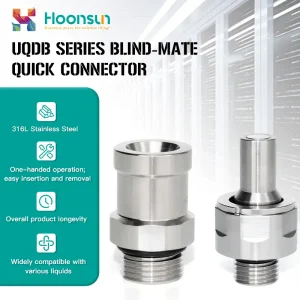
China UQDB04S-1SMU082N-UQDB04P-1SMU062N Manufacturers, Suppliers
View Technical Specs
China Simple Armored Cable Gland with Dual IP68 and UL Certification Supplier, Factory
View Technical Specs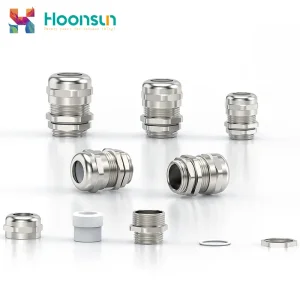
China High-Temperature Resistant Metal Cable Gland from China Suppliers and Factory - UL Certified, IP68 Rated Factories, Factory
View Technical Specs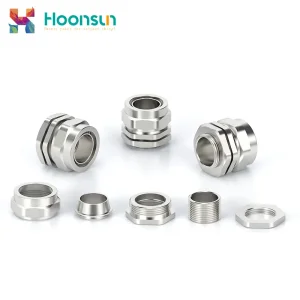
China China BW Cable Gland with IP68 Waterproof & UL Certification - Reliable Supplier & Factory for Quality Solutions Suppliers, Factory
View Technical Specs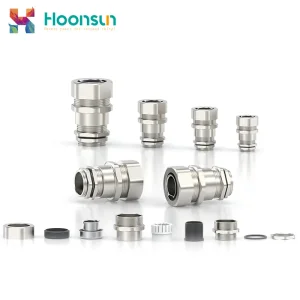
China China 304/316L Stainless Steel Hose Cable Gland - Reliable Suppliers and Factory for Waterproof Connections Supplier, Factory
View Technical Specs
China IP68 Waterproof Nylon Vent Plug - UL Certified, China Suppliers & Factory for Harsh Environment Protection Manufacturer, Suppliers
View Technical Specs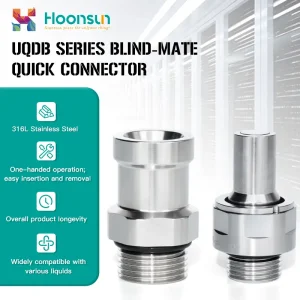
China UQDB06S-1SMU102N-UQDB06P1SMU082N Factories, Factory
View Technical Specs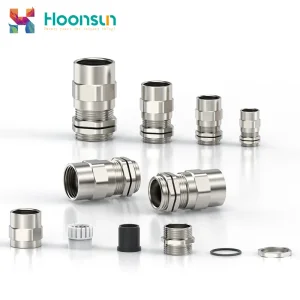
China China Metal Tubular Cable Gland - IP68 Rated, UL Listed, Reliable Suppliers & Factory for Industrial Applications Supplier, Factory
View Technical Specs
Sourcing Excellence & Audits
Engineering Supply Chain Integrity: What EPCs Verify in China
A procurement and engineering audit checklist for qualifying Tier-1 Chinese explosion-proof cable gland manufacturers.
Procuring critical explosion-proof connectivity hardware requires thorough vetting beyond standard marketing claims. Leading Engineering, Procurement, and Construction (EPC) consortiums enforce comprehensive quality audits when sourcing Ex components from Chinese manufacturers. Below are the primary technical criteria audited before contract award:
1. Metallurgical Traceability
Verification of raw brass and 316L stainless steel heats via certified mill test certificates conforming to EN 10204 Type 3.1. Chemical composition must show precise copper/zinc ratios in brass and minimum 2.0–2.5% molybdenum content in 316L stainless steel to guarantee stated corrosion resistance.
2. Dynamic Hydrostatic Pressure Testing
Inspection bays feature calibrated multi-station water immersion pressure vessels. Glands are tested under 5 bar to 10 bar hydrostatic pressure (simulating submersion depths up to 50–100 meters) for 24 to 168 hours to confirm continuous IP68 integrity without seal migration.
3. Tensile Pull-Out & Impact Tests
Glands are subjected to mechanical drop-hammer impact tests at -60°C (minimum 7 Joules of kinetic energy per IEC 60079-0) and sustained longitudinal pull-out tests to verify the mechanical clamping grip exceeds standard requirements without damaging internal conductors.
By partnering directly with an established engineering manufacturer in Liushi, Yueqing, global buyers eliminate trading intermediaries, access transparent raw material pricing, receive custom 2D/3D CAD support within 24 hours, and secure fully certified explosion-proof cable glands engineered to safeguard industrial plants worldwide.