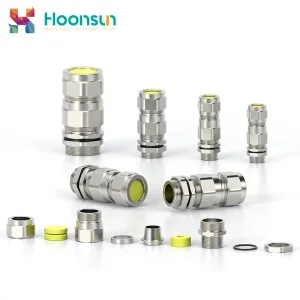
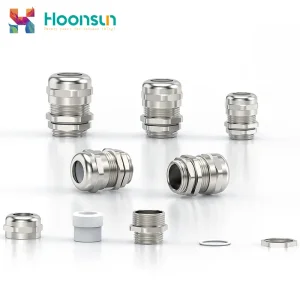
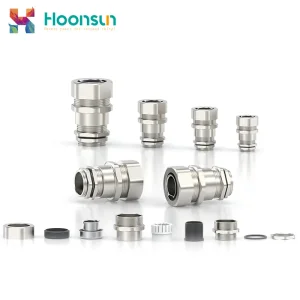
Primary Industrial Metric Cable Glands Portfolio
High-integrity mechanical retention, electromagnetic shielding, and extreme-environment IP68 ingress protection certified for international OEM specifications.
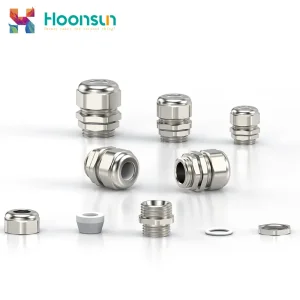
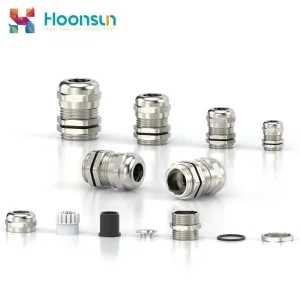
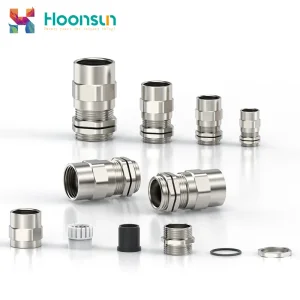
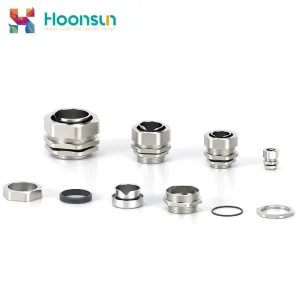
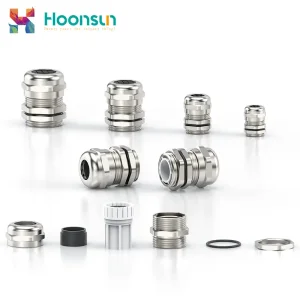
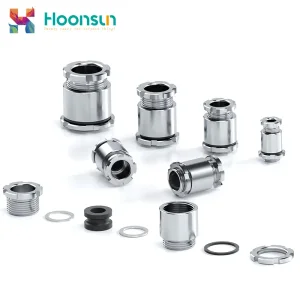
Global Evolution of Metric Cable Glands in Modern Engineering
Transitioning from basic strain-relief hardware into active EMI-shielded, climate-resilient, and explosion-proof containment assets for electrified industrial ecosystems.
Metric Normalization Under IEC 62444
Global harmonization mandates ISO Metric threads (M12 to M110) across international automation, superseding legacy PG thread standards to ensure dimensional consistency, precise mechanical strain relief, and standardized pitch engagement.
High-Frequency EMC/RFI Suppression
With variable frequency drives (VFDs) and high-speed robotic servo loops proliferating, integrated 360-degree brass contact springs provide ultra-low transfer impedance and continuous electromagnetic attenuation exceeding 65 dB at 1 GHz.
Polymer & Elastomer Science
Standard chloroprene rubber seals are progressively upgraded to fluorocarbon (FKM) and peroxide-cured silicone elastomers, broadening environmental endurance ranges from continuous -60°C arctic conditions up to +200°C high-load environments.
Material Engineering & Clamping Performance Matrix
A granular technical comparison empowering electrical design engineers and system integrators to align environmental severity with material capabilities.
| Gland Series / Type | Base Metallurgy / Material | Ingress Rating | Operating Temperature | Shielding & Clamping Characteristics | Target Industrial Domain |
|---|---|---|---|---|---|
| EMC Shielded Metric | CuZn39Pb3 Nickel-Plated Brass | IP68 (5 bar, 30 min) | -40°C to +100°C (NBR) | 360° phosphor bronze spring; Class A pullout | VFD drives, industrial robotics, wind converters |
| Marine JIS / TJ Type | Lead-free Naval Brass / CW617N | IP68 Submersible | -50°C to +120°C | Integrated braided armor anchor; salt fog immune | Offshore oil platforms, marine propulsion systems |
| 316L Stainless Steel | AISI 316L (1.4404) Austenitic | IP68 / IP69K washdown | -60°C to +200°C (FKM) | Smooth crevice-free surface; high chemical inertia | Pharmaceutical processing, offshore LNG, chemical tanks |
| Flameproof / Ex-d Metric | High-tensile Brass / SS316 | IP66 / IP68 | -60°C to +130°C | Flamepath dissipation barrier; cold-flow resilient | ATEX / IECEx Zone 1, 2, 21, 22 hazardous environments |
| Engineered Polyamide | PA66 V0 Halogen-Free | IP68 (Dynamic) | -40°C to +100°C | Integrated anti-vibration ratchet nut; non-conductive | Solar PV combiner boxes, outdoor telecom shelters |
Macro Industry Field Solutions
Turnkey connection infrastructure addressing systemic electrical strain, galvanic corrosion, and volatile environmental pressures.
Grid-Scale Energy Storage
Supplying flame-retardant UL94-V0 and nickel-plated glands capable of sealing high-amperage direct current cabling against battery electrolyte vapor intrusion and thermal runaway condensation.
Offshore Wind Turbines
Deploying specialized 316L stainless steel metric assemblies certified for C5-M marine atmospheric corrosivity, securing high-voltage power transmission throughout nacelle yaw motions.
Robotics & Motion Control
Delivering high-flex spiral relief metric glands that limit bend-radius fatigue on multi-axis automated manufacturing arms, avoiding internal core severance during high-speed cycle operation.
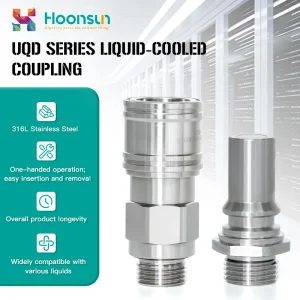
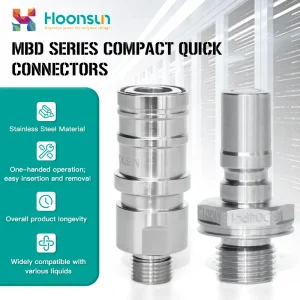
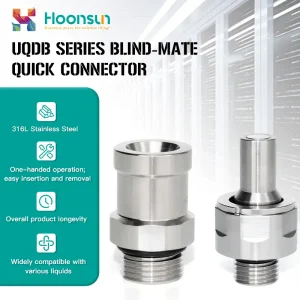
Liquid Cooling Infrastructure
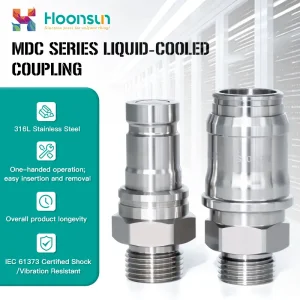
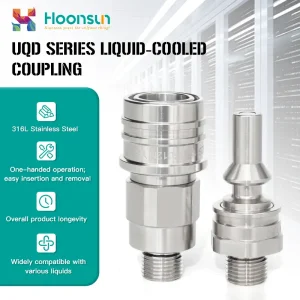
Coupling IP68 entry integrity with dedicated non-spill quick-disconnect coolant joints for AI data centers and ultra-fast electric vehicle megawatt charging cabinets.
Global Compliance Architecture & Quality Engineering
Rigorous traceability systems anchored in Liushi, Yueqing — backed by internationally accredited laboratory validations.
ISO & UL Regulatory Coherence
Every metric cable gland production batch undergoes systematic tensile pull-out verification per UL 514B and IEC 62444. Material certs accompany all deliveries, complying fully with RoHS 3 (EU 2015/863) and REACH SVHC thresholds.
In-House Tooling & Rapid Customization
Equipped with high-precision multi-spindle CNC machining cells and automated injection molding lines, our engineering division delivers custom thread pitches, altered body lengths, and customized multi-hole inserts within a compressed 14-day prototype window.
Supply Chain Continuity & Localization
Strategic inventory buffers for critical sizes (M16 through M63) ensure accelerated export processing. Integrated barcoding, containerized export packaging, and dual-port maritime dispatch via Ningbo and Shanghai guarantee supply stability worldwide.
Technology Roadmap & Next-Gen Developments
Anticipating the converging requirements of Industry 4.0 automation, electrification, and decarbonization.
Bio-Polymer Matrices
Synthesizing sustainable, bio-based engineering polyamides designed to lower manufacturing carbon intensity by 40% while preserving UL 94-V0 flammability resistance and high tensile impact strength.
IoT-Enabled Smart Glands
Embedding passive RFID and miniature temperature/moisture sensing telemetry into heavy-duty metric gland collars to deliver early warnings of seal degradation before water ingress compromises high-voltage enclosures.
Hybrid Signal & Fluid Pass-Throughs
Consolidating fiber-optic channels, 800V DC bus connections, and liquid cooling return lines within a single optimized metric bulkhead footprint for next-generation automated transport platforms.
Comprehensive Technical & Procurement FAQ
Addressing engineering specifications, compliance inquiries, and logistical standards for global B2B procurement teams.
What distinguishes Metric (M) threads from legacy PG thread standards?
ISO Metric threads comply with IEC 62444 and DIN EN 60423 specifications with a standardized 60-degree flank angle and defined pitch (e.g., 1.5mm), delivering predictable torque-tension relationships. Legacy Panzergewinde (PG) standards feature an 80-degree flank angle with varied pitches, which is rapidly being phased out across modern European and international machinery directives.
How is real-world IP68 integrity maintained over decades?
Long-term IP68 performance requires matching the cable jacket's outer diameter (OD) accurately with the gland's elastomeric clamping range. Proper cap-nut torque ensures continuous radial compression without cold flow. For washdown environments, selecting ozone- and UV-resistant compounds like EPDM or FKM prevents micro-cracking and elasticity loss over time.
When must engineers specify 316L stainless steel over nickel-plated brass?
Nickel-plated brass delivers superior mechanical performance and cost efficiency for standard industrial automation and moderate outdoor conditions. However, in environments with free chlorides, high marine salinity, food washdown cleaning chemicals (such as sodium hypochlorite), or offshore sour gas (H2S), AISI 316L provides superior pitting and crevice corrosion resistance.
What testing procedures are applied before international dispatch?
Every batch undergoes pneumatic leak testing at 5 bar water-column equivalence, optical thread pitch verification, salt-spray chamber testing (up to 720 hours for marine grades), and mechanical retention pull-testing to guarantee complete compliance with UL 514B and CE directives before final packing.
Specialized & High-Tolerance Termination Hardware
Explore heavy-duty armored connectors, liquid cooling modules, and explosion-proof cable glands engineered for extreme environments.