
High-Performance Certified Cable Termination Solutions
Explore our tier-one certified brass, metal, and engineered polymer cable glands tested under extreme pull-out, immersion, and harsh field environments.
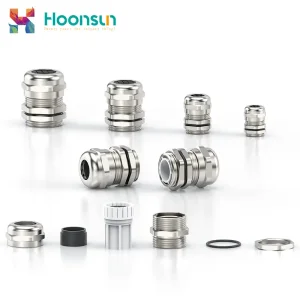
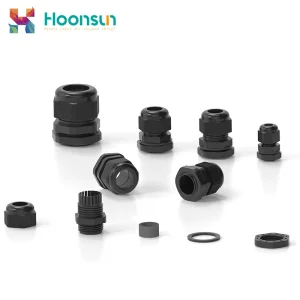
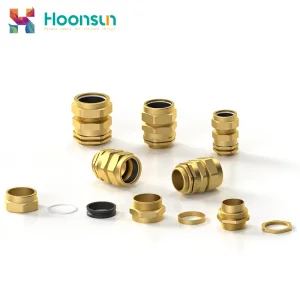
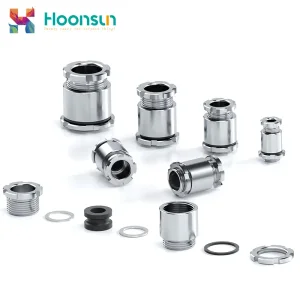
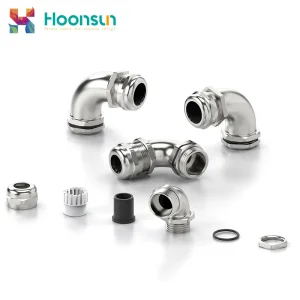
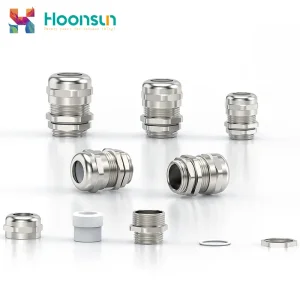
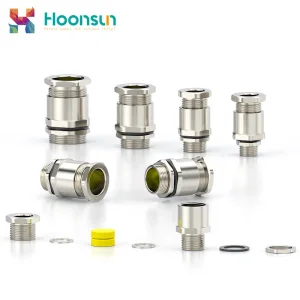
The Global Industrial Landscape: Why Brass Cable Glands are Critical
Analyzing mechanical resistance, galvanic isolation, and EMC integrity in harsh installations.
In contemporary industrial engineering, the integrity of an electrical installation relies directly on the vulnerability of its entry points. While plastic (polyamide) terminations suffice for benign indoor distribution, severe operating environments demand the mechanical robustness of nickel-plated brass (CuZn39Pb3 / CW614N). As smart manufacturing, renewable energy networks, and automated offshore logistics accelerate, cable glands have transitioned from passive mechanical fittings into critical safety assets that ensure electrical grounding, EMC protection, and hermetic barrier continuity.
China's manufacturing landscape, led by engineering clusters in Yueqing and the Yangtze River Delta, has evolved past simple low-cost mass fabrication. Modern tier-one Chinese factories now spearhead advanced metallurgy, automated multi-axis thread turning, and custom elastomer vulcanization. For global systems integrators, specifying high-grade brass cable glands from verified Chinese manufacturers provides an optimal balance between strict adherence to international safety directives (IEC 62444, UL 514B, EN 60079) and capital expenditure control.
Localized Applications Across Specialized Industrial Verticals
Tailored engineering configurations designed to handle extreme local operating conditions worldwide.
Middle East Energy & Desalination
Installations across the GCC face extreme ambient heat (up to 55°C), intensive UV radiation, and hyper-saline coastal humidity. Custom nickel plating (≥12μm) prevents de-zincification, while specialized fluoroelastomer (FKM) inserts prevent thermal compression set.
North American C1D2 / Zone Environments
Heavy machinery and petrochemical refineries adhering to NFPA 70 / NEC standards require NPT threaded, UL-certified CW explosion-proof cable glands with 360° armor clamping to ground braided steel wire armor (SWA) and prevent gas migration.
European EV & Liquid-Cooled Infrastructure
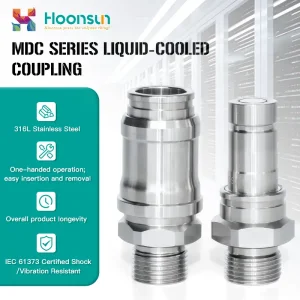
Rapid charging networks and battery storage systems require IP68/IP69K sealing under active glycol-water loops. Brass glands fitted with EMC spring contact fingers ensure continuous screening attenuation (>65dB at 100MHz), isolating control systems from high-voltage harmonics.
China Factory Supply Chain Resilience & Manufacturing Depth
Vertical manufacturing ecosystems delivering speed, precision, and global inventory reliability.
The strategic dominance of Chinese cable gland manufacturers originates in the vertical supply chain clustering found in regions like Zhejiang. Rather than relying on extended third-party supply webs, leading facilities integrate ingot melting, bar extrusion, Swiss-type high-precision CNC multi-spindle turning, tooling design, and elastomer molding within an immediate geographical radius.
Dimensional Tolerance Control
Automated high-speed lathes machine Metric (M12 to M110), PG, NPT, and G threads down to ±0.02mm tolerance, eliminating cross-threading and loose fittings under high-vibration railway and wind turbine applications.
Advanced Plating Metallurgy
State-of-the-art continuous barrel plating lines deposit uniform nickel coatings exceeding 200 hours of neutral salt spray testing (ASTM B117), providing protection across marine platforms, ports, and chemical plants.
Rapid Customization Turnaround
Custom thread lengths (long-thread configurations for thick enclosure castings), stepped inserts, multi-hole grommets, and proprietary sealing compounds transition from CAD modeling to physical prototypes within 5 business days.
Engineering Matrix: Material Performance & Environmental Suitability
A side-by-side selection guide designed to help procurement engineers evaluate operational limits.
| Material Configuration | Primary Standards | Ingress Rating | Operating Temp Range | Key Strengths | Typical Application Fields |
|---|---|---|---|---|---|
| Nickel-Plated Brass | EN 62444, UL 514B | IP68 (5 Bar) / IP69K | -40°C to +100°C (NBR) -60°C to +180°C (Silicone) |
High mechanical strength, balanced corrosion defense, EMI screening | Industrial automation, rail transit, motors, factory machinery |
| Stainless Steel (304 / 316L) | IECEx, ATEX, UL | IP68 / IP69K | -60°C to +200°C | Maximum resistance to acids, alkalis, chlorides, and washdowns | Food & beverage, offshore oil & gas, coastal substations |
| Engineered Polyamide (PA66) | UL 94 V-0 / V-2 | IP68 | -40°C to +100°C | Non-conductive, lightweight, cost-effective, galvanic immunity | Solar PV combiner boxes, telecommunications, general lighting |
| Marine JIS Brass (TJ Clamping) | JIS F8801, ClassNK | IP66 / IP68 | -30°C to +90°C | Direct armor retention, vibration loosening protection | Shipbuilding bulkheads, shipboard winches, marine switchboards |
Technology Roadmap & Future Outlook (2025–2030)
Anticipating next-generation electrical infrastructure, high-power density, and predictive maintenance.
IoT-Enabled Sensory Glands
Development is underway for integrated passive RFID and micro-temperature sensors embedded within the gland locknut. This enables live monitoring of thermal hotspots caused by high electrical contact resistance or loose terminations in switchgear.
Lead-Free Brass Formulations
Ahead of evolving EU RoHS and REACH regulations aiming to restrict lead content below 0.1%, forward-looking Chinese factories are transitioning to silicon-brass and eco-brass alloys (CW724R), preserving machinability without compromising mechanical shear strength.
Integrated Breathable Membrane Systems
Future metal glands increasingly incorporate breathable ePTFE membranes inside the body assembly. This equalizes enclosure pressure differences caused by day/night temperature cycling, preventing vacuum-effect moisture intake while maintaining complete IP68 barrier integrity.
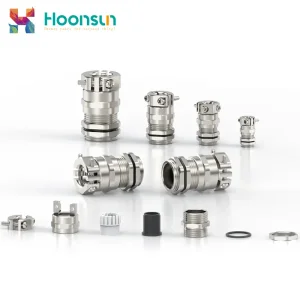
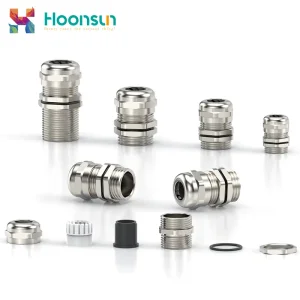
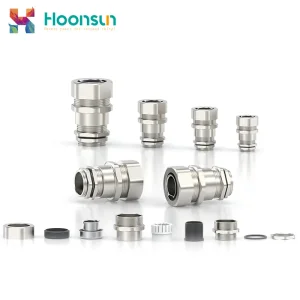
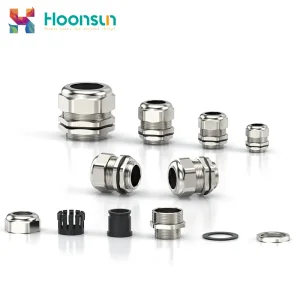
Specialized Cable Gland Assemblies & Enclosure Accessories
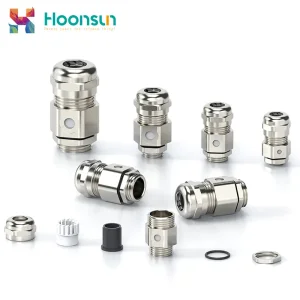
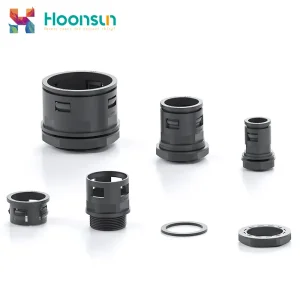
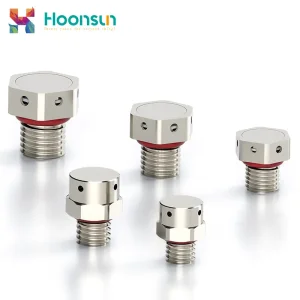
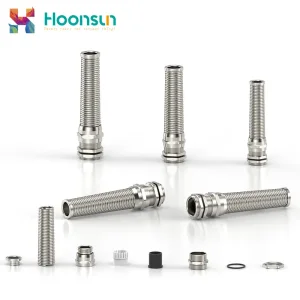
Complete your industrial installation using our engineered anti-bending, breathable, and flexible conduit brass terminations.
Frequently Asked Questions (Technical & Procurement FAQ)
Direct engineering answers addressing thread selection, material certifications, and installation standards.
What is the mechanical difference between Metric (M) and PG threads?
Metric threads (DIN EN 60423) feature a 60° flank angle with a standardized pitch (typically 1.5mm for cable glands) and represent the international standard across modern global installations. PG threads (DIN 40430) feature an 80° flank angle with a shallower thread depth. While still prevalent in European legacy machinery, Metric is recommended for new automation and plant installations.
How do brass cable glands provide reliable EMC / EMI shielding?
EMC-rated brass cable glands utilize internal radial contact springs or clamping cones that make 360-degree contact with the cable's braided copper screen. This provides a low-impedance ground path to the metal enclosure, diverting electromagnetic interference away from sensitive analog signals and high-speed industrial Ethernet circuits.
What testing ensures an IP68 cable gland seal will not fail over time?
True IP68 qualification requires both continuous immersion testing (e.g., 5 bar pressure for 30 minutes to 24 hours per manufacturer definition) and accelerated thermal aging tests on the sealing grommets. These tests verify that elastomers (NBR, Silicone, or EPDM) maintain their elasticity without undergoing stress relaxation that compromises clamping force.
How does China factory direct sourcing handle custom OEM orders?
Direct manufacturer engagement provides engineering-level customization: extending thread lengths for thick cast enclosures, substituting low-smoke halogen-free (LSOH) or silicone seals for rail transit applications (EN 45545-2), and providing laser engraving, custom packaging, and specific thread types (such as G/BSPP or NPT) under unified quality assurance protocols.