
Factory-Direct Cable Glands: Top Engineering Selections
Engineered for high mechanical retention, hermetic ingress prevention, and rugged environmental isolation across mission-critical enclosures and industrial harness assemblies.
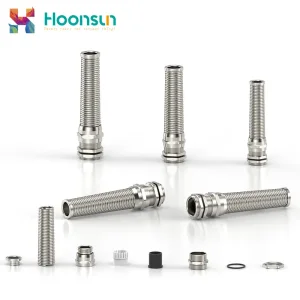
China Metal Anti-Bending Cable Gland with IP68 and UL Supplier, Factories
Technical Specs & RFQ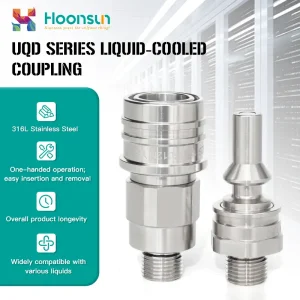
China UQD02S-1SMG012N-UQD02P-1SMG012N Factories, Factory
Technical Specs & RFQ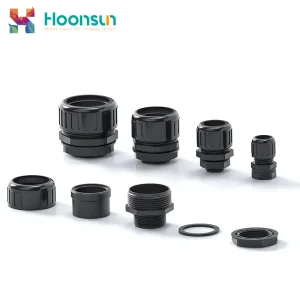
China Nylon Corrugated Cable Gland - UL & IP68 Certified
Technical Specs & RFQ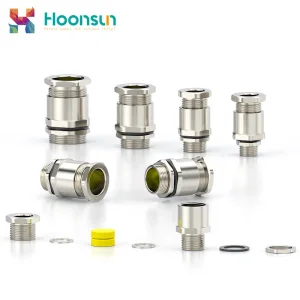
China Explosion-Proof Marine Cable Gland EX4 - IP68 & UL Listed
Technical Specs & RFQ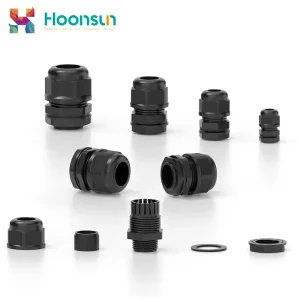
China Nylon Reinforced Cable Gland from China Factory
Technical Specs & RFQ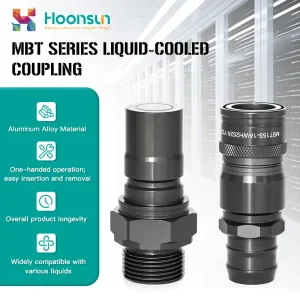
China MBT15S-1AWH252N-MBT15P-1AMG082N Suppliers, Factories
Technical Specs & RFQ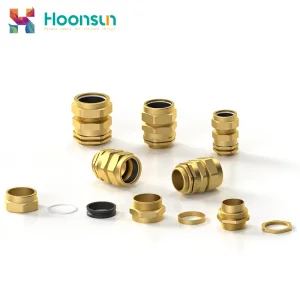
China Explosion-Proof Cable Clamp Sealing Joint CW - IP68, UL Certified
Technical Specs & RFQ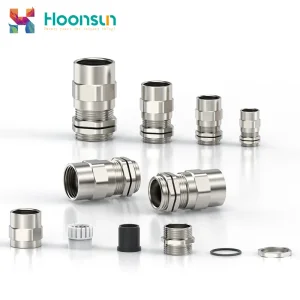
China Metal Tubular Cable Gland with IP68 Rating and UL Listing
Technical Specs & RFQGlobal Trends Shaping PVC & Polymer Cable Gland Manufacturing
From chemical polymer engineering to extreme weather resilience, discover the technological shifts transforming electrical conduit systems across international industrial networks.
The Evolution from Basic Polyvinyl Chloride to Modified Polymeric Compounds
Historically, commercial cable gland entries relied heavily on standardized unplasticized PVC (uPVC) due to its cost efficiency, electrical insulation, and inherent acid resistance. However, as global electrical systems faced increasingly severe environmental stressors—including UV radiation in multi-megawatt solar farms, mechanical vibration in rail traction converters, and aggressive chemical clean-downs in food facilities—the limitations of conventional PVC emerged.
Today’s global leading China suppliers synthesize advanced polymer hybrid matrixes. By blending virgin PVC with high-grade Polyamide (PA66), polybutylene terephthalate (PBT), and specialized elastomer compounds (NBR and EPDM), modern non-metallic cable glands provide exceptional mechanical tensile strength while maintaining the electrical insulation and chemical inertness of PVC. These structural innovations eliminate brittle fractures caused by thermal cycling between -40°C and +105°C, ensuring absolute hermetic sealing over a 25-year operational lifecycle.
- UV stabilization using carbon black and hindered amine light stabilizers (HALS) to prevent embrittlement.
- Multi-entry internal lamellar clamping rings designed to prevent cable creep and sheath displacement.
- Total compliance with RoHS Directive (EU) 2015/863 and REACH SVHC restriction benchmarks.
Global Electrification & Grid Decarbonization
The worldwide acceleration of renewable energy generation, distributed energy storage systems (BESS), and electric vehicle charging infrastructure (EVSE) has altered procurement volume patterns. Engineering contractors require millions of certified waterproof polymer gland entries every year.
Procurement teams are shifting away from generic distributors toward Tier-1 China manufacturing facilities capable of delivering ISO 9001:2015 traceability, customized metric/PG/NPT mold designs, and high-volume, automated production outputs.
Global Enterprise Procurement Criteria: What Specifiers Demand
In modern industrial engineering, a cable gland is a critical safety barrier preventing water, gas, particulate, and mechanical failure from breaching sensitive control electronics.
Ingress Protection (IP68 & IP69K)
Tier-1 industrial buyers mandate verification beyond standard marketing declarations. Under IEC 60529 and ISO 20653, our certified assemblies endure continuous submersion at up to 50 meters (5 bar) water head pressure for prolonged durations.
Furthermore, IP69K high-pressure steam jet cleaning resistance (100 bar at 80°C) is required for food processing, mobile machinery, and transit undercarriages.
Mechanical Strain Relief (EN 62444)
A cable entry must secure the cable against axial withdrawal without damaging the internal conductors or sheath insulation. Under European standard EN 62444 (Type A retention), assemblies are subject to static pull-out loads:
Clamping cages must exert uniform radial pressure via segmented collet fingers, ensuring pull-out loads exceeding 200N for medium cables and up to 1000N for heavy industrial conductors.
Dielectric Strength & Flammability
Polymer entries are critical when electrical galvanic isolation is essential between the conductor harness and metallic chassis enclosures. Specifiers insist on raw formulations meeting UL 94V-0 flame retardancy.
Dielectric breakdown strength must exceed 20 kV/mm to prevent flashovers during high-voltage switching surges or lightning impulse events on distribution panels.
Engineering Material Selection Matrix
A side-by-side technical evaluation of mechanical, electrical, and thermal properties to assist procurement directors in choosing the optimal material for their specific operating environment.
| Performance Dimension | High-Grade Modified PVC | Engineering Nylon (PA66) | Nickel-Plated Brass | Marine Stainless (316L) |
|---|---|---|---|---|
| Operating Temperature | -25°C to +80°C | -40°C to +105°C (Short: +120°C) | -40°C to +120°C | -60°C to +200°C |
| Tensile Strength (MPa) | 45 - 60 MPa | 75 - 90 MPa | 380 - 450 MPa | 520 - 650 MPa |
| Dielectric Breakdown | 25 - 35 kV/mm (Complete) | 20 - 30 kV/mm (Complete) | Conductive (Requires Isolator) | Conductive (Requires Isolator) |
| Chemical / Acid Resistance | Exceptional (Acids/Bases) | High (Oils/Fuels/Hydrocarbons) | Moderate (Pitting Risk) | Superior (Saline & Acids) |
| Flammability Rating | UL 94V-0 (Self-extinguishing) | UL 94V-2 to V-0 Grade | Non-combustible | Non-combustible |
| EMC Shielding Capability | None (Dielectric) | None (Dielectric) | Excellent 360° Grounding | Superior 360° Grounding |
| Procurement Cost Index | Lowest / High Volume | Economical to Moderate | Moderate to High | Premium (Capital Critical) |
China Factory 4.0: Supply Chain Resilience & Efficiency Advantages
How the Yueqing industrial cluster combines digital production, automated polymer tooling, and end-to-end component manufacturing to serve Tier-1 OEM contractors worldwide.
Automated High-Speed Injection
Operating hundreds of all-electric high-precision injection moulding units equipped with multi-cavity hot-runner tooling. Robotic pick-and-place arms eliminate cycle variance, ensuring thread lead geometry meets ISO Metric (M), PG (DIN 40430), and NPT (ANSI/ASME B1.20.1) standards.
In-Line AOI Optical Inspection
Every critical gland body, cap nut, and internal seal undergoes machine vision testing. Automated Optical Inspection (AOI) identifies micro-burrs, sink marks, pitch defects, or seal voids at line speeds exceeding 120 parts per minute, ensuring zero defective components reach global project sites.
Cluster Scale & Fast Logistics
Located in Yueqing—the world-recognized electrical equipment capital—our production ecosystem sources high-purity virgin polymers, brass bar stock, and NBR/EPDM elastomeric seals within a 15-kilometer radius. This deep regional integration cuts lead times to days, even for custom tooling runs.
Worldwide Industrial Scenarios: Engineered for Real Environments
Across cleanroom microelectronics, utility-scale desert arrays, and heavy-duty transport corridors, our engineered polymer and metallic cable glands deliver reliable performance day after day.
Solar PV & Grid-Tied Inverters
Polymer cable glands resist relentless solar UV exposure and rapid diurnal temperature swings. Specialized seals maintain compression against DC string cabling without sheath deformation, preventing water ingress in combiner boxes and central inverters.
Offshore Marine & Shipbuilding
TJ-clamping and anti-corrosive glands resist saline fog, heavy wave action, and continuous humidity. Engineered non-metallic and marine-grade brass variants eliminate galvanic corrosion on marine bulkheads and navigational junction enclosures.
EV Infrastructure & Battery Packs
Rapid charging stalls and battery energy storage containers (BESS) require high-voltage insulation and zero electrical tracking. Our polymer glands guarantee flame protection and hermetic containment against liquid coolant and dirt ingress.
Robotics, Motion & CNC Systems
Dynamic automation requires anti-vibration strain relief. Spiral anti-bending spiral guards prevent localized cable kinking, jacket fatigue, and internal conductor rupture on multi-axis robotic arms and rapid automated sorting gantries.
Hazardous Chemical, Water Treatment & Heavy Processing Facilities
Wastewater treatment plants, chemical dosing skids, and agricultural processing facilities create environments saturated with sulfur dioxide, acidic fumes, and harsh chlorine washdowns. While conventional metals corrode and pit, chemically passivated polymer cable entries maintain complete structural and hermetic integrity over decades of continuous operation.
Frequently Asked Questions: Cable Gland Selection & Supply Chain
In-depth answers from our application engineering team regarding certifications, torque specifications, material selection, and procurement logistics.
How does IP68 verification differ between polymer and metal cable glands?
Which thread type should be specified: Metric, PG, NPT, or G (BSPP)?
1. Metric Threads (M): Defined under EN 60423, this is the dominant global standard across Europe, Asia, and international EPC projects. Standard pitches are typically 1.5mm (e.g., M16x1.5, M20x1.5, M25x1.5).
2. PG Threads (Panzergewinde): Conforming to DIN 40430, PG remains widely used in European machinery maintenance, retrofits, and specific industrial control equipment (e.g., PG7 up to PG48).
3. NPT Threads: The American National Standard Taper Pipe Thread (ANSI/ASME B1.20.1) is mandatory for equipment shipped to North America. Unlike straight metric threads that seal via a flat gasket at the shoulder, NPT seals along the thread flanks via a 1° 47' taper interference fit.
4. G Threads (BSPP): British Standard Pipe Parallel threads are frequently deployed in marine, fluid-adjacent, and Japanese/Commonwealth industrial hardware.
What are the primary causes of polymer cable gland failure in outdoor installations?
- Torque Over-Tightening: Applying excessive manual torque can strip plastic threads or twist the internal rubber seal, leading to micro-gaps and water ingress.
- Incorrect Clamping Range: Using a gland where the cable outer diameter (OD) sits at the extreme lower boundary, resulting in inadequate radial compression under thermal cycling.
- UV Embrittlement: Utilizing economy-grade, un-stabilized polymers in high-sunlight regions, leading to resin chain degradation and cracking.
- O-Ring Extrusion: Omitting flat sealing washers on enclosures with uneven punch knockouts, which allows water ingress between the gland shoulder and the panel wall.
Can Chinese manufacturers customize sealing compounds for extreme chemical or temperature demands?
What documentation is supplied for global regulatory audits?
Specialized & High-Performance Cable Gland Systems
Explore heavy-duty metallic, split, corrugated, and high-temperature entries designed for challenging commercial and industrial infrastructure projects.
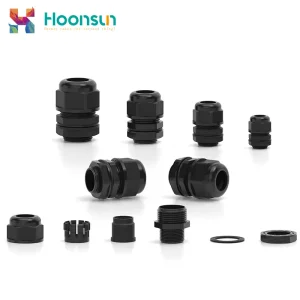
China Nylon Split Cable Gland with IP68 and UL
Technical Specs & RFQ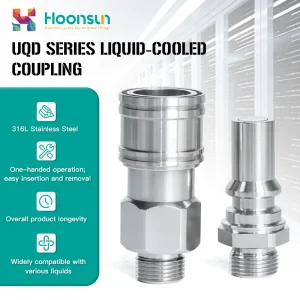
China UQD06S-1SMGG042N-UQD06P-1SMG042N Manufacturer, Factory
Technical Specs & RFQ
China Metal Anti-Bending Cable Gland IP68 UL Certified
Technical Specs & RFQ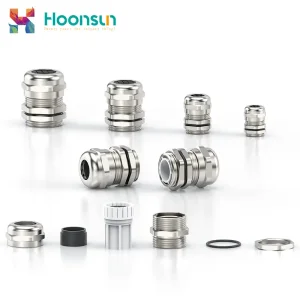
China Metal Cable Gland Direct Type with IP68 and UL
Technical Specs & RFQ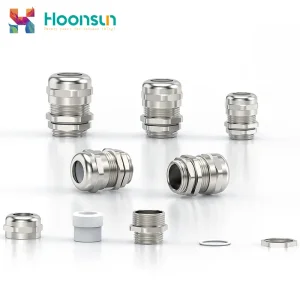
China NGS High Temperature Resistant Metal Cable Gland
Technical Specs & RFQ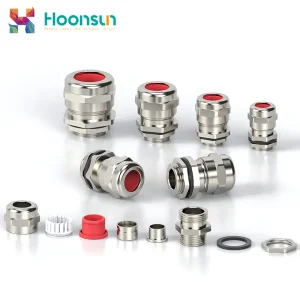
China Simple Armored Cable Gland Dual IP68 & UL Certified
Technical Specs & RFQ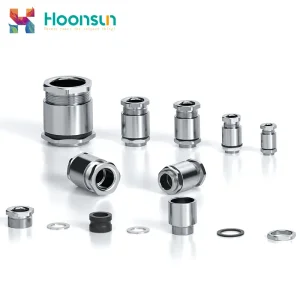
China IP68 & UL Certified Marine Cable Gland TJ Clamping Type
Technical Specs & RFQ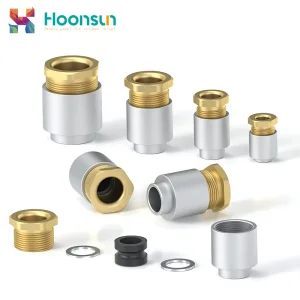
China IP68 and UL Marine Cable Gland TH Standard Type
Technical Specs & RFQAccelerate Your Cable Gland Sourcing Pipeline
Whether you require million-unit monthly replenishment of standard metric polymer glands or rapid prototyping of customized IP68 sealing glands for high-voltage energy systems, our direct factory team delivers certified quality on time.